TIWL Interview - Dr. Jacqui Grantland
Dec 12, 2025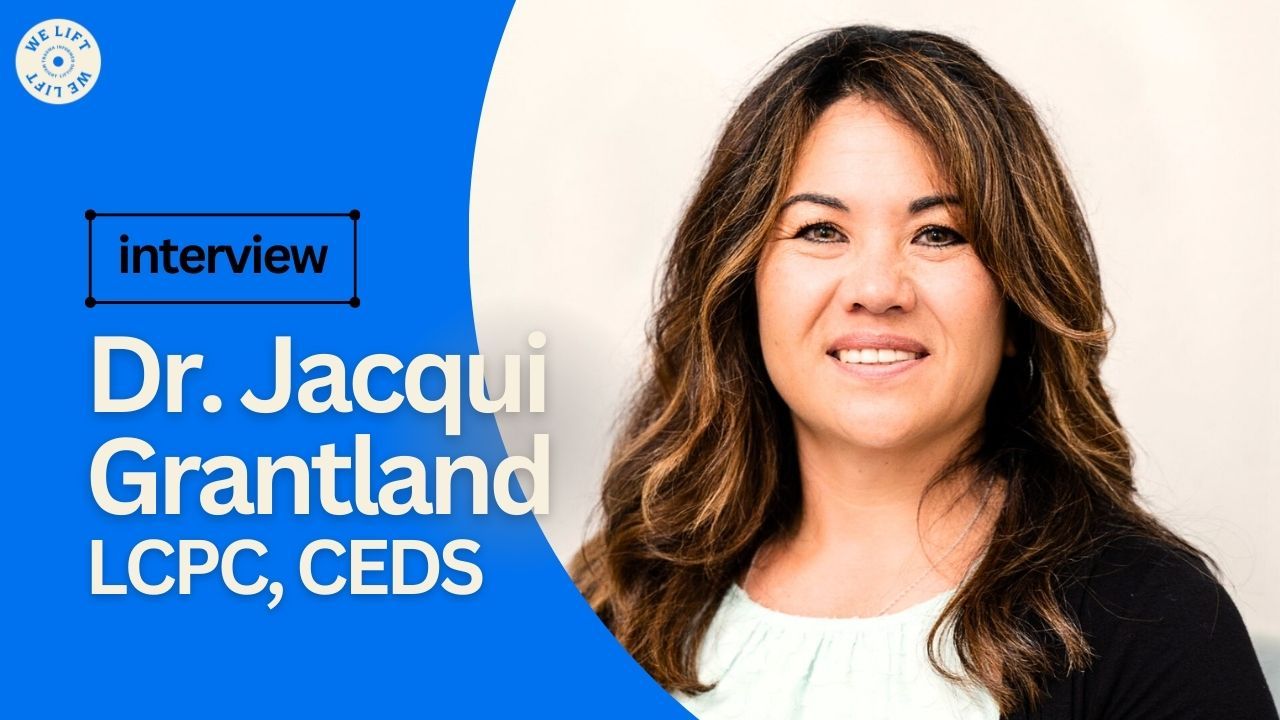
Rachel: Thanks for chatting with me today! Can you start by introducing yourself?
Jacqui: Sure! I'm Dr. Jacqui Grantland. I'm a Licensed Clinical Professional Counselor (LCPC), Certified EMDR Therapist, and Certified Eating Disorders Specialist (CEDS). I own a group private practice with 12 clinicians, and I've been practicing for over 20 years, primarily working with clients who experience PTSD and eating disorders. I'm also a Level 2 CrossFit coach and passionate about integrating embodied practices into mental health care.
Rachel: I love that intersection. When you took the TIWL training, were you already integrating movement into your therapy sessions?
Jacqui: I was, in small ways. I had concerns initially about how to refer clients to movement professionals—clients often feel safer with their therapist than with someone new. But TIWL helped clarify how to maintain scope of practice while still using grounding techniques with movement. Now I keep kettlebells in the office. If a client is dysregulated or we’re working through a trauma timeline, they can use that weight for grounding. It’s been really impactful.
Rachel: That’s amazing. And since your practice specializes in eating disorders, what role does weightlifting play in recovery for that population?
Jacqui: It’s huge. Clients in recovery often struggle with fueling their bodies and letting go of diet culture. But weightlifting demands nourishment. You can't lift if you’re underfed. It helps clients redefine strength and resilience—not as a number on the scale, but as PRs, better sleep, more energy. It changes their relationship to their body.
Rachel: Absolutely. Can you tell me what first drew you to TIWL?
Jacqui: I saw a documentary—can’t remember if it was on ABC or NBC—about trauma-informed weightlifting, and it clicked. As a veteran and someone in recovery from eating disorders myself, I’ve always used lifting to support my own healing. I wanted to offer that same modality to clients. We’re the only eating disorder practice in our community, and I wanted to bring in something beyond talk therapy—something embodied, that speaks to the nervous system.
Rachel: That’s so powerful. How do you view embodied practices compared to traditional therapies like CBT?
Jacqui: They’re essential. You can reframe your thoughts all day, but if your body still thinks it’s in danger, it doesn’t matter. Embodied practices like weightlifting, grounding, and somatic tools help clients regulate their nervous systems. Lying on the floor with a sandbag, using bilateral movement with kettlebells—these are powerful interventions. They complement, not replace, talk therapy. But for trauma, we need both.
Rachel: Have you noticed gaps in traditional fitness spaces that trauma-informed programs like TIWL can fill?
Jacqui: Definitely. I’m 51 and in a larger body—not the typical image of a "fit" person. Even as a Level 2 CrossFit coach, I’ve felt the stigma. Traditional gyms often center appearance and performance in ways that alienate people. TIWL creates a space focused on safety, agency, and consent. Language matters. Culture matters. We need fitness spaces that acknowledge lived experience.
Rachel: So good. Do you think mental health professionals need a fitness background to take TIWL trainings?
Jacqui: Not at all. The program is designed for collaboration. You'll gain the tools and language to work with movement professionals without having to be one. My colleague took a trauma-informed yoga training without a fitness background and found it incredibly valuable. We’re even planning to open a wellness center that brings these modalities together.
Rachel: That’s so exciting. Any advice for other therapists considering integrating movement into their sessions?
Jacqui: Know your clients’ capabilities and get their buy-in. Not every client is ready to lie on the floor or pick up a kettlebell. Educate them—especially the veterans I work with—about the science and benefits. Demonstrating the practices alongside them builds trust.
Rachel: Do you have a story that really illustrates the impact of this work?
Jacqui: One client stands out—years of eating disorder treatment, very resistant to weightlifting because of the usual stigmas. We started small—bodyweight movements, planks, calisthenics. Slowly she added weight, discovered she loved powerlifting, and now she celebrates her strength. She still struggles with body image, but the shift has been remarkable. She eats, she sleeps, she thrives. That’s recovery.
Rachel: Thank you for sharing that. It’s beautiful. Any final thoughts—something you wish more people understood about trauma-informed care?
Jacqui: Yes. People often think trauma treatment means retelling your story over and over. But trauma is stored in the parts of the brain that don’t use language. We don’t always need to talk about it. That’s why embodied approaches are so essential—and why they work.
Rachel: Thank you, Jacqui. This was such a rich conversation.