"Rage Lifting" Is Trending. What the Heck Is It?
Oct 15, 2026Safety is when nobody has to perform being okay.
In case you've been living under a rock, "rage lifting" is having a moment on the internet. Sometimes it looks like bringing a sledgehammer down on a tire. Sometimes it's a heavy bag, a round of battle ropes, yelling through a set, or lifting until there's nothing left.
The idea is simple. You're angry, so you move the anger out of your body to make yourself feel better. And to be honest, we get why people like the idea of it.
Anger carries energy. It can make you feel strong after a stretch of feeling powerless. It can get you off the couch when sadness has kept you there all week. The sweat is real, and so is the relief afterward.
Social media loves the before and after too. "I was falling apart" becomes "I just gave that workout everything" in about thirty seconds of video.
Trauma-informed coaching asks one more question, though. Did the person come back to themselves, or did they just turn the volume up?
It can feel really good, and that's worth respecting
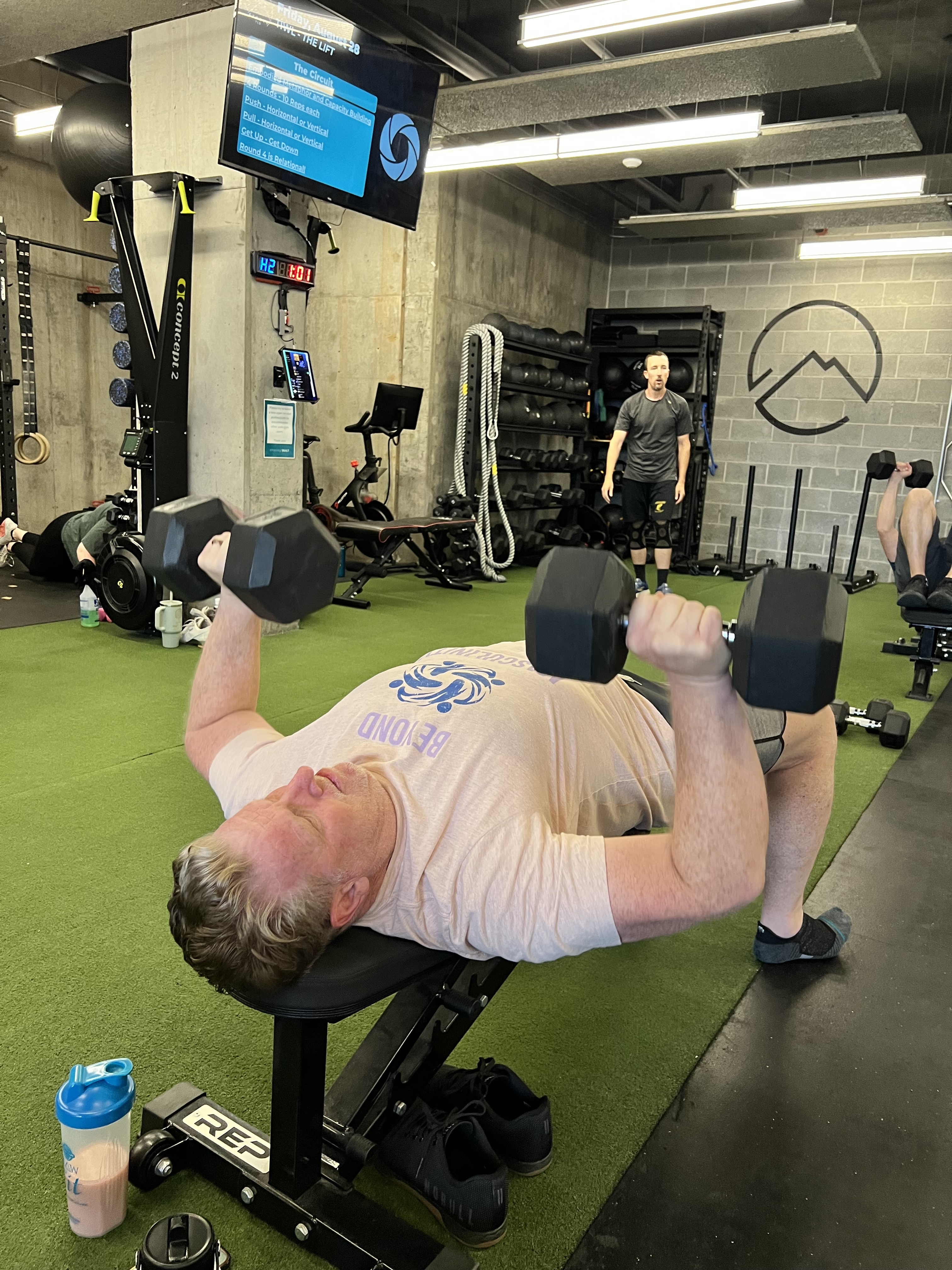
Let's get this out of the way: training hard is good for a lot of people. Anger is a real emotion, and it has a real place, including the gym. If you want to walk in and feel a little bit fierce, go for it. Some clients light up during high-intensity work. Some only start to feel like themselves again after they've hit pads for ten minutes or carried something heavy across the room. And some have had the kind of day that calls for a demanding outlet, not a gentle stretch and a lavender-scented reminder to breathe.
None of that is the problem. The problem shows up when a high-arousal state stops being one tool in the kit and quietly becomes the entire plan.
Someone can walk out of a rage workout feeling lighter, and there are plenty of good reasons for that. They left the house. They moved their body. They were around other humans who weren't asking them to reply to an email. Maybe they broke a loop of rumination that had been playing on repeat since Tuesday, or finally let themselves feel something they'd been holding at arm's length. That relief counts, and nobody should talk them out of it.
But relief and regulation aren't the same thing, even if they look alike from across the gym floor. Relief can be plain exhaustion. It can be a quick release of pressure that builds right back up by dinner. Sometimes it's dissociation that just happens to be wearing gym clothes.
If you work in trauma-informed coaching, fitness, or personal training, telling those apart changes how you run a session.
What the research says about "blowing off steam"
The idea goes something like this: anger builds up like pressure in a kettle, and if you let it out through something aggressive, it's gone. It's a tidy theory, but researchers have been poking holes in it for decades.
Popular Science recently rounded up research showing that high-arousal activities, vigorous exercise included, may not reliably bring anger down. In some cases they can make angry feelings last longer, or even turn up aggressive impulses. So much for the kettle.
That doesn't mean exercise is off the table. It's still broadly linked to physical and psychological benefits. What changes the outcome is the dose, the timing, the intention behind it, and the state of someone's nervous system when they walk in.
When a person is already flooded, intense exercise can keep the sympathetic nervous system switched on. Adrenaline is a great hype person. It makes you feel strong and capable, and it's also very good at blurring your sense of effort and pain. That's when someone loads more weight than they should, skips the warm-up, cuts rest short, or misses the moment something shifts in their body. It all feels like empowerment right up until the injury, because the body's signals were there the whole time and just got drowned out.
SELF has written about this too, explaining how anger raises arousal and adrenaline and can make a workout feel easier than it really is. That's a shaky place to start building a program from.
High-intensity training asks for attention. Anger narrows it. A good coach can see when that's happening in front of them.
Intensity and dysregulation look alike from the outside
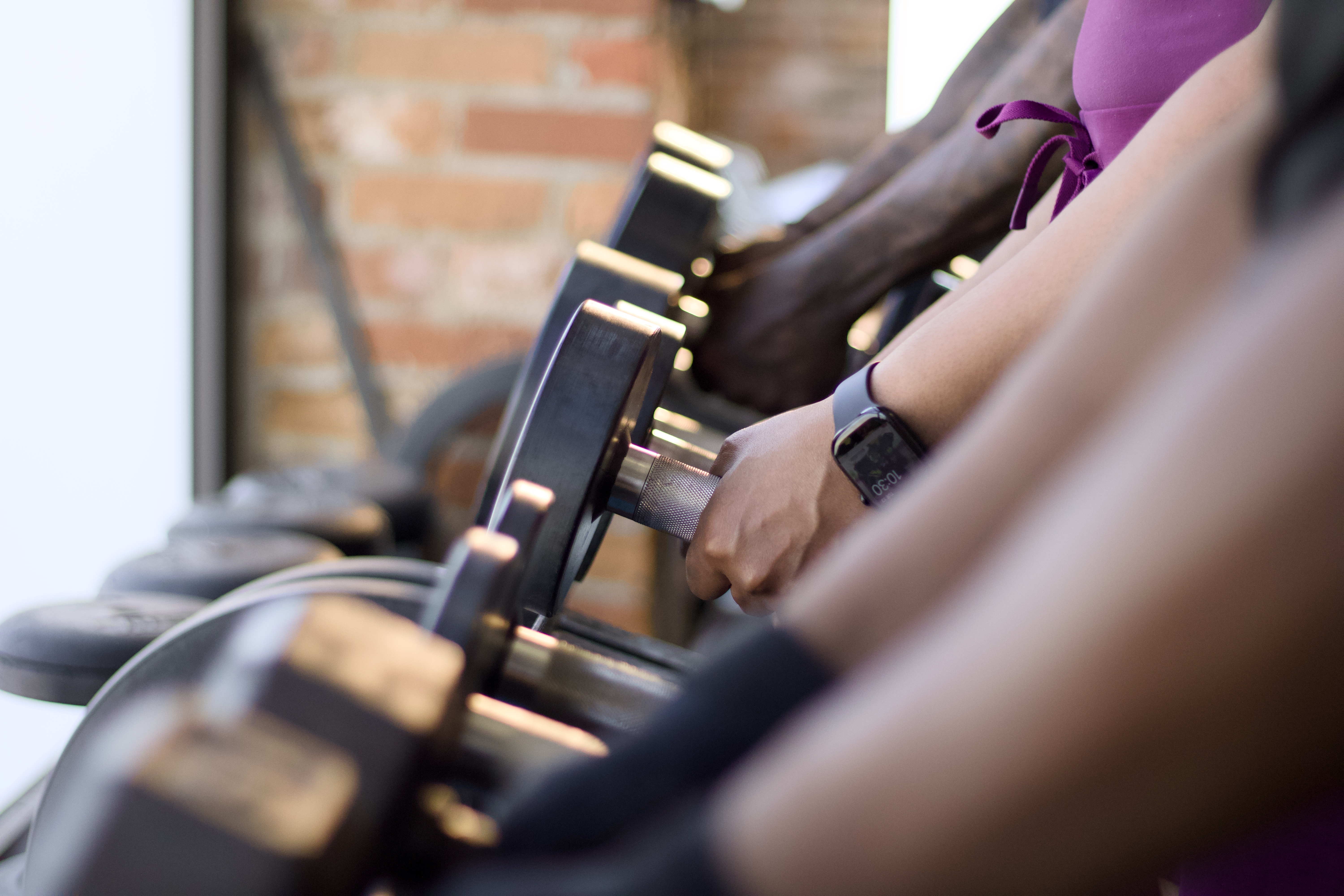
A regulated person can absolutely do hard work. They can lift heavy, sprint until their lungs complain, and compete like they mean it. They can choose discomfort and stay connected to their body from the first rep to the last. A person whose system is overwhelmed is somewhere else entirely. Often they're using effort as a getaway car, driving as fast as they can from whatever they're feeling.
One of those is a choice. The other quietly takes the choice away.
The first might sound like: "I want to lift heavy today. I know my plan. I know my limits. I can stop."
The second might sound like: "I need to go until I can't feel anything. I don't care what happens."
Those two clients need very different things from you, even if they're standing at the same rack.
Here's the tricky part. Someone can look intense and be completely regulated inside. Someone else can look calm, even serene, and be miles away from their body. You can't read nervous system state off a face, a PR, or a sudden burst of motivation, no matter how many years you've been coaching. What you need is a relationship where the client feels safe enough to tell you what's actually going on.
For trauma survivors, anger is often more than anger
For a lot of people who have lived through trauma, what looks like rage is really survival energy. It's a fight response the body learned because, at some point, danger demanded action and the body did what it had to do. It can be hypervigilance. It can be grief that never found anywhere to go. It can be fear that never got to be fear, because anger felt safer to carry. Sometimes it sits right on top of helplessness. And sometimes it was the only feeling a person was ever allowed to have.
So when a client finishes a round on the tire, a little out of breath, and says, "That felt amazing," you don't need to argue with them. You can honor what they felt without labeling it as healing.
It may have been a real moment of agency. It may have been a replay of something old. It may have been flooding, or a rush of power followed by a crash later that afternoon. You probably won't know right away, and that's okay.
Your job is to stay curious, keep choice on the table, and resist the urge to tie a strong moment up with a neat little bow. The relationship is part of the work. A well-built program is great, but it makes a pretty flimsy place to hide.
Catharsis and regulation
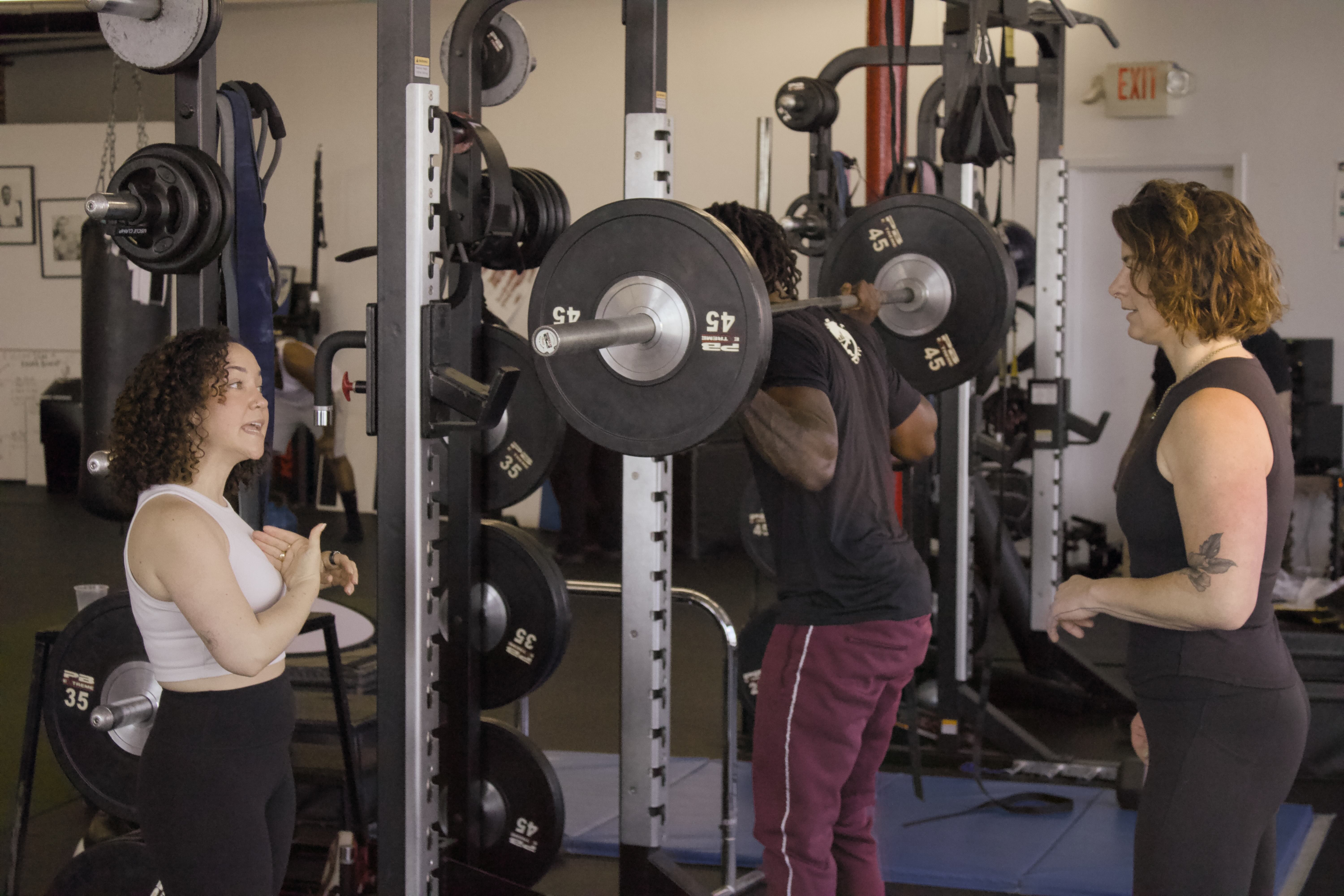
Catharsis says get it out. Regulation asks a different question: can I stay with myself while this is happening?
A regulated session can still be a sweaty one. It can include hard effort, shaking muscles, a pounding heart, and big emotion. What sets it apart is that there's still room to notice, choose, adjust, recover, and reconnect along the way.
When a session is built only around escalation, that room disappears. There's nowhere to practice any of those skills. So the lesson the body picks up might sound more like this:
- When I'm angry, I go harder.
- When I'm overwhelmed, I stop listening to my body.
- When I'm hurting, I make my body work until it hurts more.
- When I feel powerless, I use force to feel powerful.
That pattern may feel familiar. It may even be the thing that helped someone survive. It may also be a pattern they're ready to change.
This is why order matters. Connection comes before challenge. Choice comes before intensity. Orientation comes before effort, and recovery comes after it.
That's where therapeutic dosing comes in. The question stops being "how hard can we go?" and becomes "how much challenge builds this person's capacity while keeping them inside their window of tolerance?"
If you'd like to learn how to answer that question with real clients, TIWL's Self-Paced Foundations course walks you through it. It's 15 hours, fully online, and you can start today, even if today already includes three client sessions and a cold coffee.